Beyond the Chair: How Dentists Use Technology to Improve Care, Access, and Patient Confidence
How modern dental tools change the feel of an appointment: 3D imaging, scanners, same-day work, remote check-ins and what nervous patients can sensibly ask.
- Duration
- 3 min
- On the menu
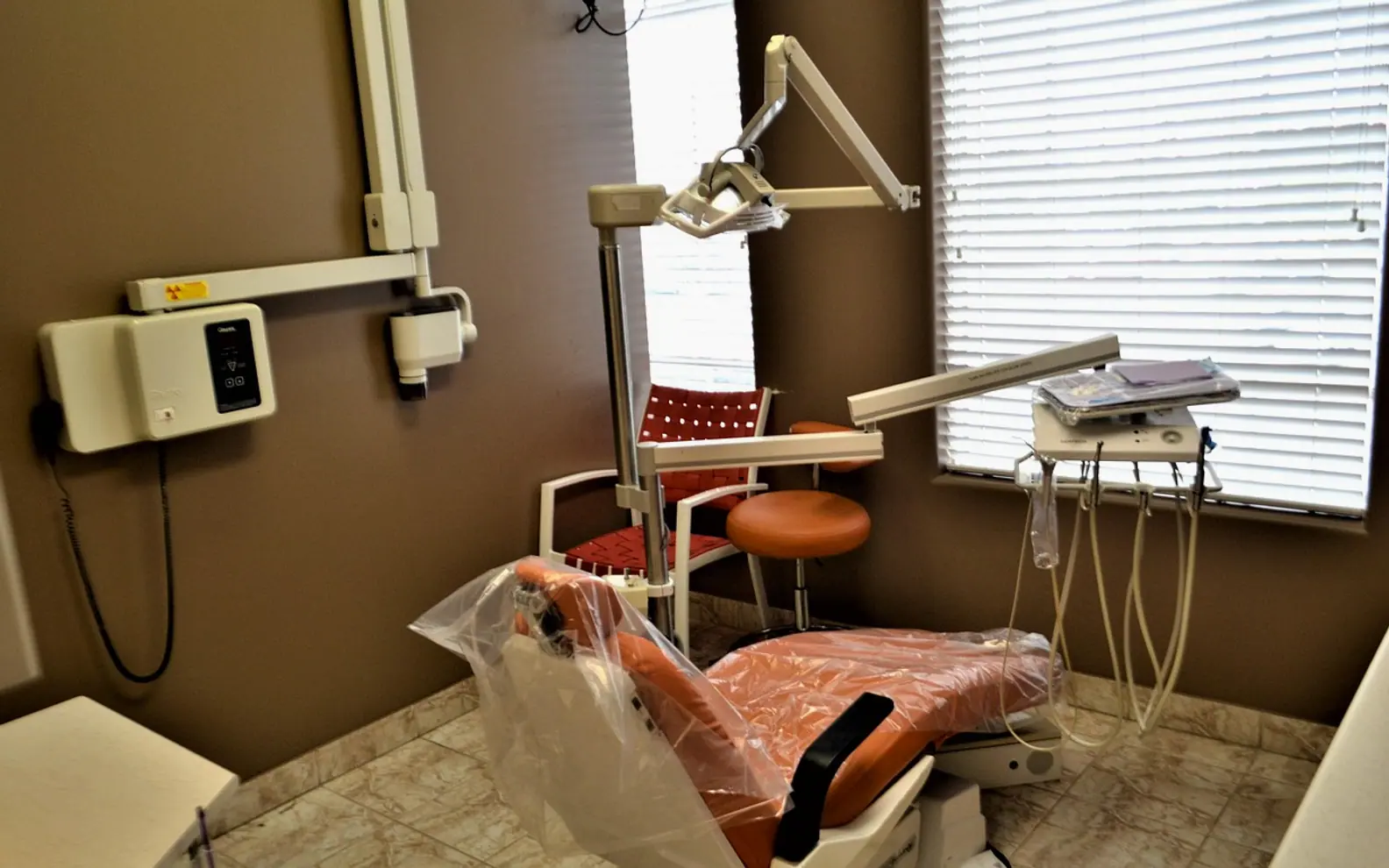
For plenty of people, the tension starts long before they sit down: the waiting room, the smell, the memory of a tray of impression putty. Much of what has changed in dentistry over recent years happens out of sight, yet it shapes exactly those moments. Looking at the technology from the patient's side of the light makes it easier to see what actually matters for comfort, clarity and trust.
Seeing more before anything is touched
Traditional two-dimensional X-rays are still routine, but many practices can now add three-dimensional cone-beam imaging when a case calls for it. Instead of a flat shadow, the dentist sees roots, bone and nearby structures in layers, which is particularly useful for planning implants or understanding a tooth that is sitting awkwardly. Targeted scans can focus on a small area, and digital files can be shared securely with a specialist, so a second opinion does not always mean a second set of images.
Scanners instead of trays
An intraoral scanner is a small wand that records the teeth and gums as a colour model on screen. For anyone with a strong gag reflex, swapping a mouthful of putty for a few minutes of scanning can change how they feel about treatment altogether. The digital model also travels straight to the lab and stays on file, so changes in wear or gum line can be compared visit by visit rather than guessed at.
Fewer visits, shorter waits
Where a clinic has in-house milling or 3D printing, some crowns, guards and temporary pieces can be made on the same day or within a short window. That matters for people who travel a long way, juggle shifts or simply want the episode over with. A practice like Summerbrook Dental & Implants Fort Worth brings these digital steps together in one place, which helps patients move from diagnosis to finished work with less back-and-forth and a clear picture of each stage.
Software as a second pair of eyes
Some practices use software that highlights possible areas of decay or bone change on radiographs. It does not make decisions; the dentist still reviews every image and explains the findings. What patients often appreciate is the visual side: a marked area on a screen is far easier to understand than a verbal description of a shadow, and it turns the conversation into something shared.
Alongside this, remote check-ins by video or photo can help decide whether a problem needs an urgent visit, and they are useful for follow-ups after treatment. Complex work still happens in the chair, but the first step can now be gentler.
Questions that put you at ease
- Can you show me the scan or image and talk me through what you see?
- Is a digital scan possible instead of a traditional impression?
- How many appointments should I expect, and can any be combined?
- How is my information stored, and who can see it?
- What signals are worth a quick photo or call between visits?
Good technology is only half the story. The other half is a team that explains, pauses when you need it and lets you see what they see. If you feel anxious about dental care, say so at the start; most practices are used to adjusting the pace, and knowing what each device does can take a surprising amount of the fear out of the room.