Yoga Nidra: What It Is and How to Practise It Lying Down
What yoga nidra meditation involves, the usual stages of a session, how to set up a comfortable space and what to do if you fall asleep partway through.
- Duration
- 3 min
- On the menu
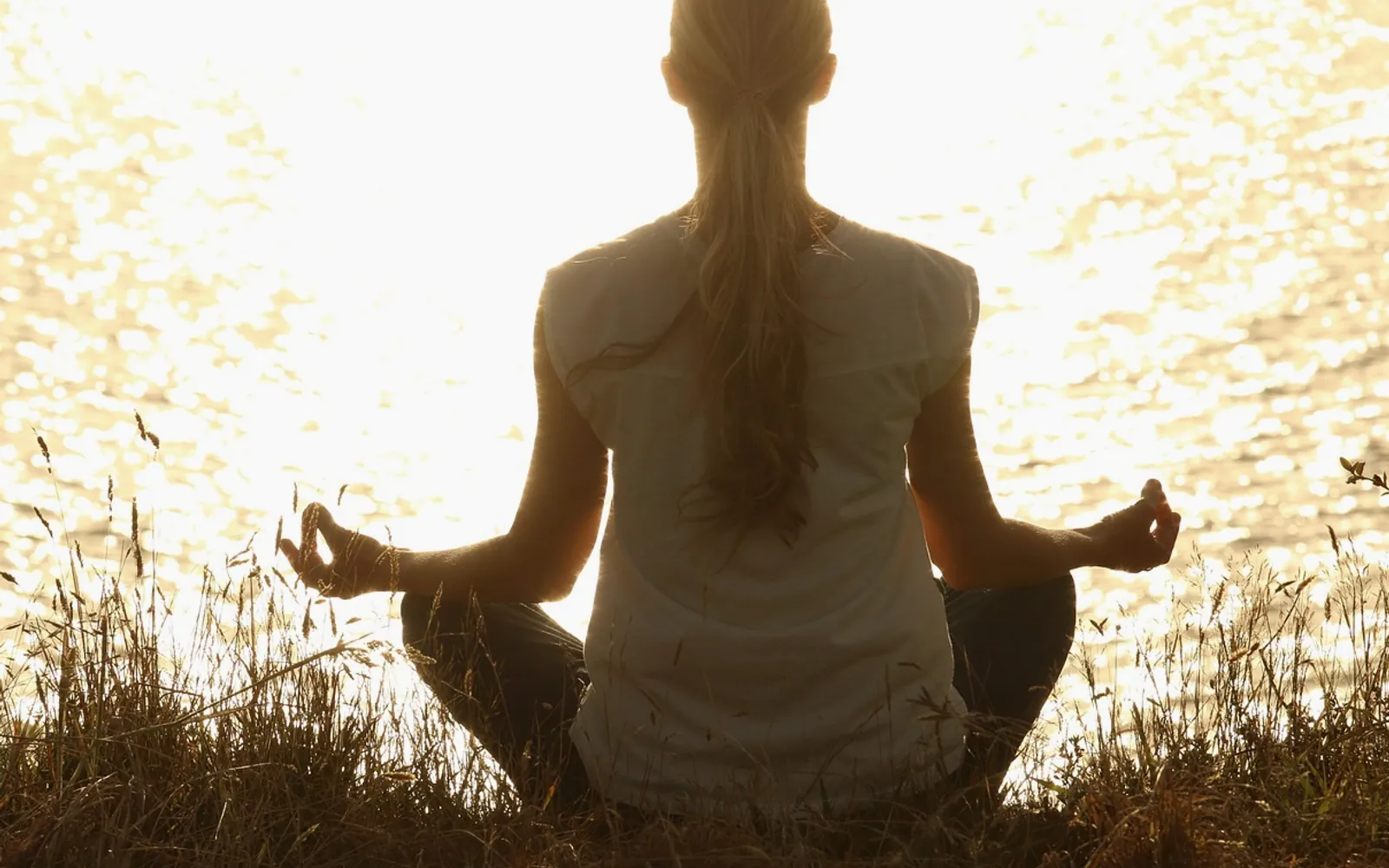
The mat is out, but nobody is stretching. A blanket lies over the legs, a folded towel rests under the knees, and a calm voice is asking you to notice your right thumb. Then your index finger. Then the palm. Half an hour later you open your eyes feeling as though you have slept, although part of you is fairly sure you heard every word.
That is yoga nidra, often called yogic sleep. Despite the name, it involves no poses beyond lying still. It is a guided meditation done on your back, designed to lead the body towards deep rest while a thread of awareness stays switched on. The modern form was shaped by teachers in India during the mid-twentieth century, drawing on older tantric and yogic ideas, and many variations are taught today.
How it relates to yoga and other meditation
If you picture yoga as flowing sequences and held postures, yoga nidra may seem like an odd relative. In practice it often closes a class, in the final resting pose, and stretched out into a whole session of its own. People who enjoy the slower side of everyday yoga practice tend to find it a natural next step.
Among meditation styles, it sits closest to the body scan, but with more structure and a guide doing most of the work. You do not need to hold your attention steady by yourself, which is why many beginners find it easier than sitting in silence. For a wider view of where it fits, see the overview of different meditation styles and how to pick one.
What a session usually includes
Scripts vary from teacher to teacher, but most follow a similar arc:
- Settling. Getting comfortable, noticing sounds in the room and the contact of the body with the floor.
- Intention. A short, positive phrase called a sankalpa, repeated silently. It might be as simple as "I am at ease".
- Rotation of awareness. Attention moves quickly around the body, part by part, following the guide's voice.
- Breath. Counting or following breaths, sometimes backwards from a set number.
- Opposite sensations. Imagining heaviness then lightness, warmth then coolness.
- Images. A series of brief pictures, such as a candle, a quiet lake or a path through trees.
- Return. The intention is repeated, and the guide slowly brings you back to movement and the room.
Sessions range from ten minutes to forty-five or more. A short one is enough to see whether you like the practice.
Setting up your space
- Lie on a mat, rug or firm bed with a thin pillow under the head.
- Place a rolled blanket under the knees if your lower back feels tight.
- Cover yourself. The body cools as it rests, and feeling chilly pulls attention away.
- An eye mask or folded scarf helps if the room is bright.
- Choose a recorded guide whose voice you find pleasant; this matters more than people expect.
Falling asleep is not failure
Almost everyone dozes off at some point, particularly when tired or practising late in the evening. The aim is to rest in the space between waking and sleep, but slipping over the edge now and then simply means your body needed it. If you want to stay present, try practising earlier in the day or with the head slightly raised.
Because it guides the body towards a state that resembles drifting off, some people use a short session at bedtime. If you are curious about what happens once you do fall asleep, this guide to the stages of sleep and how they support memory walks through the night cycle by cycle.
On restless nights when lying still feels impossible, a few rounds of tensing and releasing first can help, as described in our tense-and-release relaxation routine.
A gentle word of care
Yoga nidra is a quiet, low-effort practice, yet deep rest can sometimes bring memories or strong feelings to the surface. If that happens, open your eyes, move a little and come back another day. People living with trauma, depression or other mental health concerns may prefer to explore it with support from a professional, and any persistent sleep difficulty is worth discussing with a doctor.