From Classrooms to Clinics: The Full Path to Orthodontist Training
The long road to becoming an orthodontist, stage by stage: science foundations, dental school, specialist residency, licensing and keeping balance on the way.
- Duration
- 3 min
- On the menu
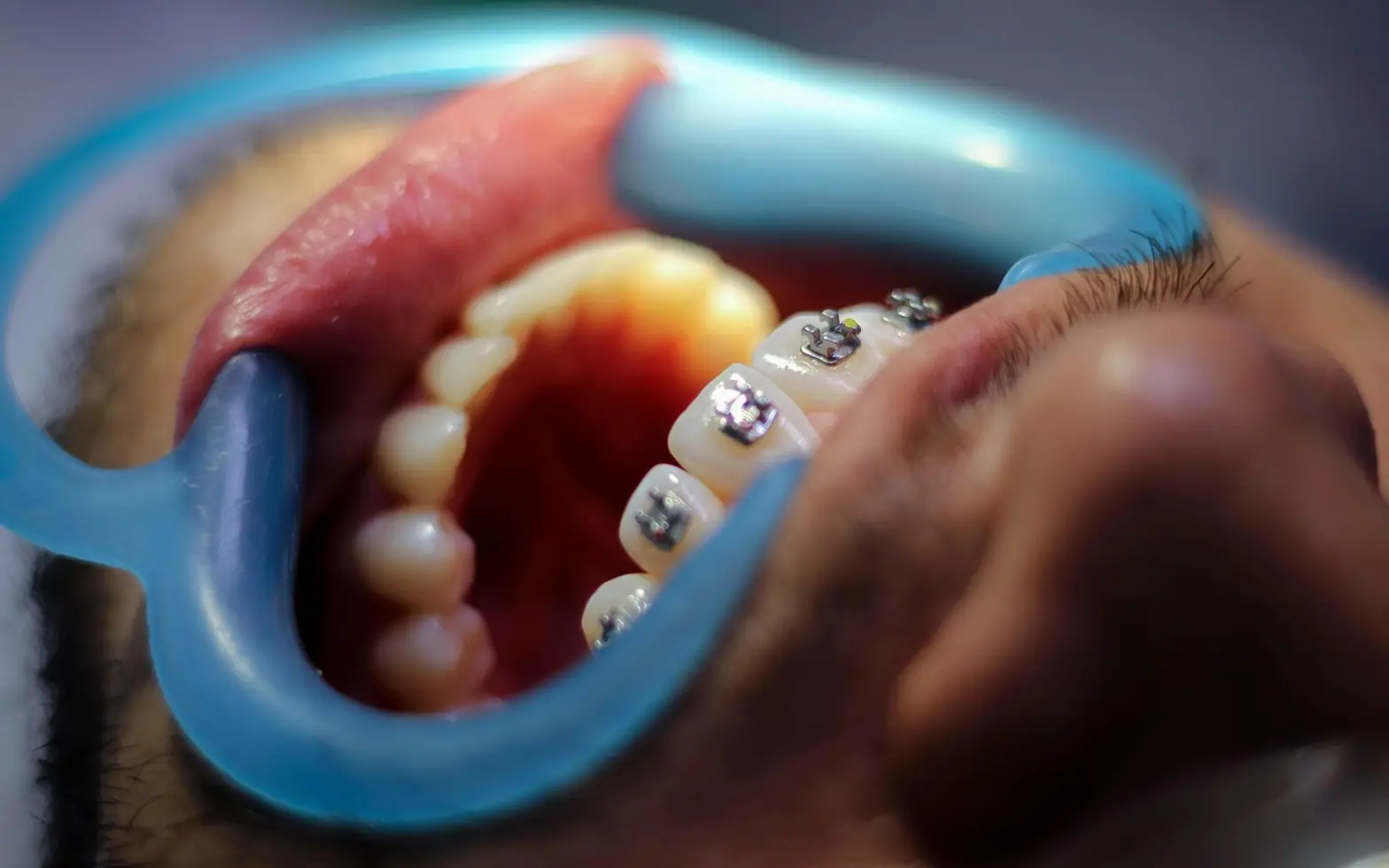
Behind every carefully planned brace or aligner sits a professional who spent many years learning how teeth move and how faces grow. The route is long and demanding, and it rewards people who pace themselves as much as those who study hard. Here is the path laid out in stages, along with a few thoughts on staying well while walking it.
Stage one: building a science base
The usual starting point is an undergraduate course weighted towards the life and physical sciences. The exact subject matters less than the habits it builds: careful lab work, clear note-taking and comfort with data. Shadowing a dentist or volunteering in a health setting adds something textbooks cannot, namely a feel for how patients behave when they are nervous, in pain or simply in a hurry. Admissions panels for dental school tend to value that mix of academic steadiness and real-world empathy.
Stage two: dental school
Dental school usually opens with anatomy, pathology, radiology and materials science, practised on simulators before any patient is involved. Later years move into supervised clinics where students carry out fillings, extractions and gum treatments while learning to read growth patterns and bite problems. Students drawn to orthodontics often join study groups, help with research or assist in specialist clinics, which gives them a clearer sense of whether the specialty truly fits.
Stage three: the specialist programme
After qualifying as a dentist comes a competitive postgraduate programme dedicated to orthodontics, typically lasting several years depending on the country. In the Netherlands, anyone researching an Opleiding orthodontist can see how such a programme combines theory, supervised treatment and case discussion into one structured route, a helpful picture for anyone weighing the step. Residents study biomechanics and facial growth, plan treatments with fixed appliances and aligners, and work alongside surgeons and gum specialists on more complex cases. Digital planning and 3D imaging are now a normal part of the toolkit.
Stage four: licensing and lifelong study
Requirements for registration and specialist recognition differ between countries, so trainees check the rules where they intend to practise. Formal certification may be optional in some places and expected in others. What stays constant is continued learning: materials, imaging and treatment methods keep evolving, and orthodontists attend courses and read new research throughout their careers.
| Stage | Main focus | Useful habit |
|---|---|---|
| Undergraduate | Core sciences | Shadowing and volunteering |
| Dental school | General dentistry | Seeking out specialist clinics |
| Specialist programme | Tooth movement and growth | Presenting and discussing cases |
| Practice | Patient care and teamwork | Regular courses and peer review |
Staying well on a long road
A training path this long can quietly wear people down. Long hours, exams and the precision demanded by clinical work make rest a professional skill rather than a luxury. Trainees who guard their sleep, keep some form of regular exercise and hold on to at least one interest outside dentistry tend to arrive at the end with more energy and better judgement. Shoulders, neck and back also take strain from hours spent leaning over patients, so stretching and good chair posture are worth learning early.
Money deserves calm attention too. Study costs and, later, equipment and staffing can be considerable, and talking to an independent adviser before making big commitments is a sensible move. With realistic planning and steady habits, the path from lecture hall to clinic becomes a long but manageable climb rather than a sprint.