How to Do a Facial at Home
A calm step-by-step facial you can do at home with simple supplies: cleansing, gentle steam, exfoliating with care, a mask, moisturiser and a patch test first.
- Duration
- 4 min
- On the menu
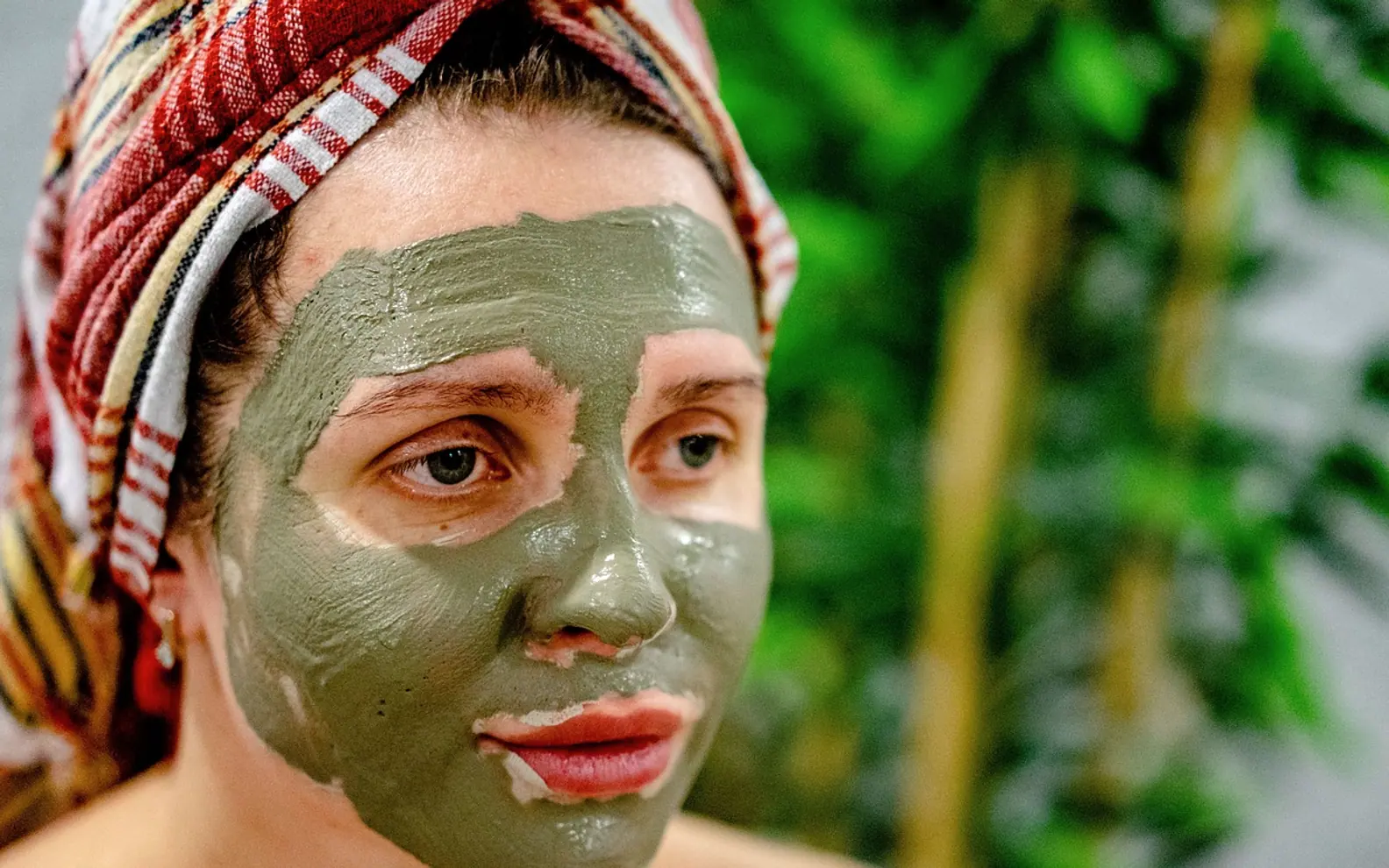
A facial does not need a reclining chair or a long list of products. At home, it can be as simple as giving your face more attention than the usual quick splash, and giving yourself twenty minutes without a screen. The routine below is gentle on purpose. Skin responds better to kindness than to scrubbing, and the calm you get from the ritual is half the point.
Gather what you need
Set everything out before you start, so you are not hunting for a towel with a mask drying on your face:
- A mild cleanser you already know your skin tolerates
- Two clean, soft towels or a few face cloths
- A bowl and a kettle, if you want to try steam
- A gentle exfoliant, or simply a soft cloth
- A mask suited to your skin, shop-bought or a simple kitchen version
- Your usual moisturiser
Tie your hair back and wash your hands well. If you are using any product for the first time, do a patch test a day earlier on a small area, such as the inside of your arm or just behind the ear, and skip it if you notice redness or itching.
Step one: cleanse slowly
Most of us rush cleansing. Today, take a full minute. Massage the cleanser in small circles over your forehead, cheeks, nose and chin, then along the jaw and down the neck. Rinse with lukewarm water rather than hot, which can leave skin tight. Pat dry with a towel instead of rubbing.
Step two: a little warmth
Warmth helps skin feel soft and makes the whole routine more soothing. You have two options. The first is a warm, damp cloth pressed over your face for a minute or two, refreshed once or twice. The second is steam: pour hot water from the kettle into a bowl, let it cool for a moment, then lean over it at a comfortable distance with a towel draped over your head.
Keep steam short, around five minutes at most, and keep your face well back from the water so there is no risk of scalding. If you have very sensitive skin, broken capillaries or a skin condition, the warm cloth is the gentler choice. If you enjoy the feeling of warmth on your skin, you might also like our piece on the benefits of a sauna.
Step three: exfoliate with a light touch
Exfoliating removes some of the dull surface layer, but more is not better. A gentle product used once, or a soft cloth moved in small circles, is plenty. Avoid the delicate skin around the eyes, and skip this step entirely if your skin is irritated, sunburnt or broken. Rinse and pat dry again.
Step four: the mask
Choose a mask for how your skin feels today rather than for a promise on the label:
| If your skin feels | Try |
|---|---|
| Tight or dry | A creamy, hydrating mask, or plain yoghurt with a little honey |
| Shiny or congested | A clay mask left on only until it begins to dry |
| Tired and dull | A soothing gel mask or a thin layer of mashed banana |
| Easily upset | The simplest option you know is safe, or no mask at all |
Kitchen masks are fun, but keep them simple and avoid anything acidic or spicy, such as lemon juice, vinegar or cinnamon, which can sting. While the mask sits, lie down, close your eyes and breathe slowly. This is the moment to rest, not to check messages.
Step five: rinse, tone if you like, moisturise
Remove the mask with lukewarm water and a soft cloth. If you use a toner, sweep a little over your face now; it is optional. Finish with moisturiser, pressing it in with your fingertips. A few slow strokes upwards along the cheeks and outwards across the forehead feel lovely and help you notice where you hold tension, often around the jaw and between the eyebrows.
How often
For most people, a home facial once a week or every other week is enough. Doing it daily, especially the exfoliating step, can leave skin irritated. On other days, your normal gentle routine is all your skin needs.
When to stop and ask
If a product stings, burns or leaves lasting redness, rinse it off and do not use it again. Persistent acne, rashes, patches that change, or skin that stays sore are worth showing to a doctor or pharmacist rather than treating with more products. If you are pregnant or using prescribed skin medicines, check with your doctor or pharmacist before trying new active ingredients.
Turn it into an evening
A facial pairs beautifully with a warm soak. Run a bath, do the cleansing and mask while the tub fills, then rinse off and climb in. Our guide to a truly relaxing bath has a few ideas for the rest of the evening. However you do it, the aim is the same: clean, comfortable skin and a quieter mind.