How to Take an Epsom Salt Bath (and a Simple Foot Soak)
How to take an Epsom salt bath or foot soak step by step: how much to use, how long to stay, what the evidence says, simple substitutes and who should skip it.
- Duration
- 4 min
- On the menu
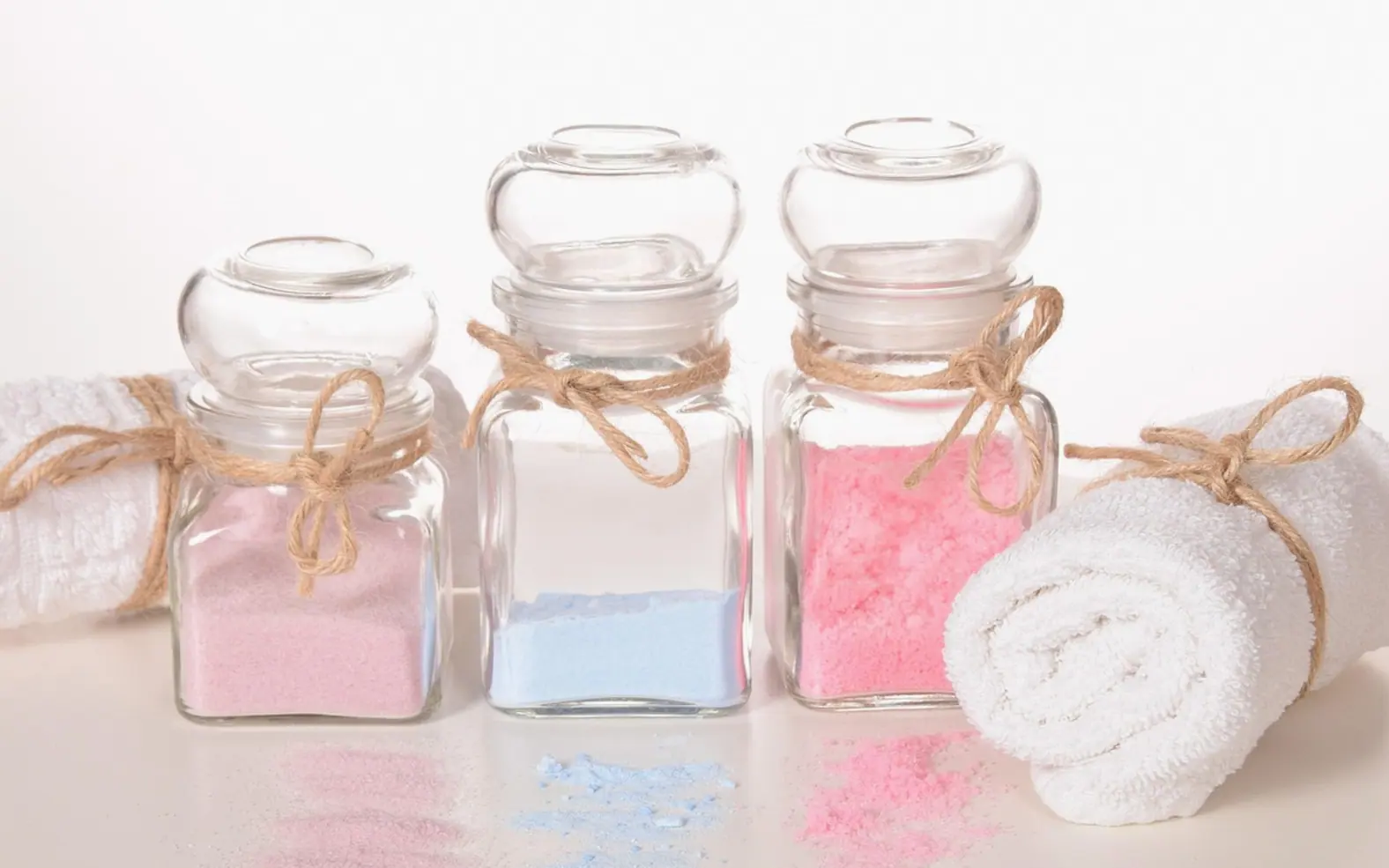
To take an Epsom salt bath, dissolve the amount suggested on the packet (often around one to two cups for a standard tub) in comfortably warm, not hot, water, soak for about fifteen to twenty minutes, then rinse and moisturise. For a foot soak, use a basin of warm water with a smaller handful of crystals and soak for ten to fifteen minutes. Many people find either one a soothing way to end a long day, though the warm water and the pause probably do more of the work than the salt itself.
What Epsom salt actually is
Epsom salt is magnesium sulfate, a mineral compound named after a spring in the English town of Epsom. It looks like coarse table salt but is chemically different and tastes bitter. In the bath it dissolves into clear water without much scent, which is why it is often sold blended with fragrance or essential oils.
What it can and cannot do
Epsom salt soaks have long been used for tired muscles and aching feet, and plenty of people swear by them. The scientific picture is less certain: whether meaningful amounts of magnesium pass through healthy skin during a bath has not been clearly established. What is well understood is that warm water relaxes muscles, that a quiet soak can help you unwind, and that elevating and resting tired feet feels good. Enjoy the ritual for that, without expecting it to treat a condition.
Step-by-step: a full Epsom salt bath
- Check the temperature. Aim for warm, not scalding. Test with your wrist or elbow, or use a bath thermometer if you have one.
- Add the salt under the running tap. The flow helps the crystals dissolve. Swirl the water with your hand before getting in.
- Soak for around fifteen to twenty minutes. Longer is not better; very long, hot baths can leave you light-headed and your skin dry.
- Rest your head and breathe slowly. Dim the light and leave the phone outside. The ideas in our guide to taking a truly relaxing bath all apply here.
- Stand up slowly. Warm water lowers blood pressure a little, so take your time getting out.
- Rinse and moisturise. A quick rinse removes any residue; a simple cream helps skin that tends to feel tight afterwards.
- Drink some water and keep the next hour calm, especially if the bath is part of your bedtime routine. Our article on relaxing before bed suggests what to do next.
A simple Epsom salt foot soak
A foot soak is quicker, needs no bathtub and works well while reading or watching something gentle.
- Fill a basin with warm water deep enough to cover your ankles.
- Stir in a small handful of crystals, following the packet as a guide, until dissolved.
- Soak for ten to fifteen minutes, topping up with warm water if it cools.
- Dry thoroughly, especially between the toes, and moisturise the heels.
Bath or foot soak?
| Full bath | Foot soak | |
|---|---|---|
| Time needed | Around 30 minutes including setup | Around 15 minutes |
| Salt needed | More, per packet guidance | A small handful |
| Good for | Winding down the whole body | Tired feet after standing or walking |
| Needs | A bathtub | A basin and a towel |
Who should skip it or check first
- People with diabetes or reduced feeling in the feet should speak with a clinician before foot soaks, since water that is too hot can go unnoticed and soaking can dry or soften skin in ways that matter for foot care.
- Anyone with broken skin, open wounds or infections should wait until they have healed.
- Pregnant people, those with heart or blood pressure problems, or kidney disease should check with a doctor about hot baths in general.
- People with sensitive skin or eczema may want to try a short, mild soak first.
Epsom salt is also sold for other uses, including as an oral laxative. Never take bath salts by mouth, and only use any form internally on medical advice.
No Epsom salt? Simple substitutes
- A plain warm bath, which offers most of the comfort on its own.
- Sea salt or another coarse bath salt, for the feel of a mineral soak.
- Baking soda, which some people find leaves the water feeling softer.
- Colloidal oatmeal, a finely ground oat product often used for dry or itchy skin.
You can also blend your own jar of crystals and scent; our recipe for making bath salts at home shows how.
Quick answers
Can I add essential oils?
A few drops, mixed first into a spoonful of carrier oil or the salt itself, rather than dropped straight onto the water. Avoid oils that commonly irritate, such as cinnamon or clove.
How often is reasonable?
For most people, a couple of times a week is plenty. If your skin feels dry, soak less often and moisturise afterwards.