How to Meditate for Beginners
A plain guide to starting meditation: how to sit, where to rest your attention, what to do when your mind wanders, how long to practise and how to keep going.
- Duration
- 4 min
- On the menu
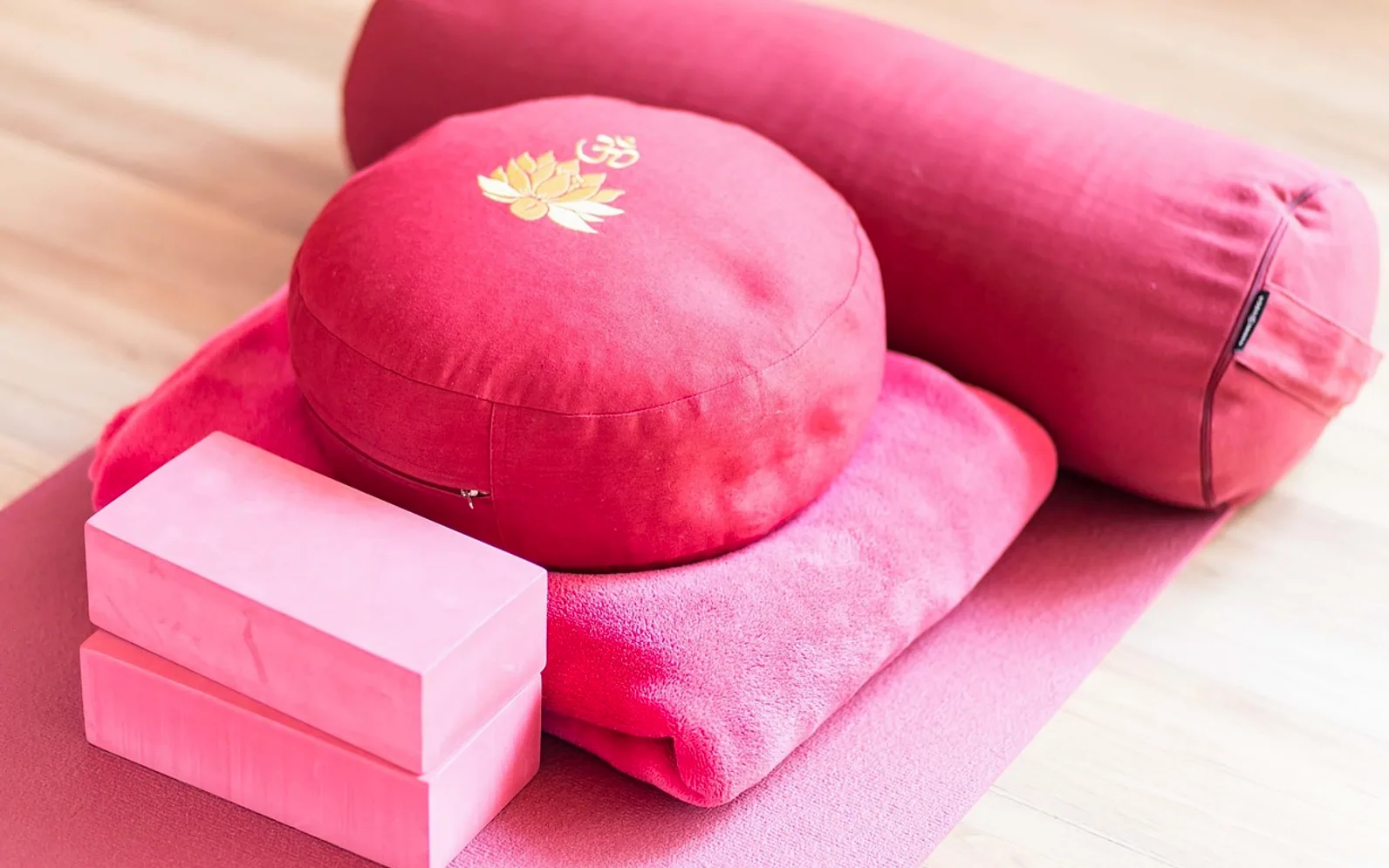
Meditation has a reputation for being difficult, mysterious or reserved for people with a lot of spare time. In practice, the basic version is simple: you choose something to pay attention to, notice when your attention drifts, and gently bring it back. That is the whole exercise. Doing it for a few minutes a day is a perfectly good start.
What meditation is, and what it is not
Many beginners think they are supposed to stop thinking. They sit down, notice a stream of thoughts and decide they are bad at it. But thoughts are not a failure. Noticing that you have wandered off, and returning, is the practice itself. Each time you come back is a small repetition, a bit like lifting a light weight at the gym.
Meditation is also not a cure for illness or a replacement for professional support. Many people find it helps them feel calmer and more aware of their habits, but if you are struggling with your mood, anxiety or sleep, it is worth talking to a doctor as well. And if sitting with your thoughts ever brings up distressing memories, it is fine to stop and seek guidance from a qualified professional.
Find a place and a time
Choose somewhere reasonably quiet where you will not be interrupted for a few minutes. It does not need to be special. A chair by a window, the edge of your bed or a parked car before you walk into work all count. Time of day matters less than consistency. Many people like the morning, before the day speeds up; others prefer a pause after work. Pick one and attach it to something you already do, such as your first cup of tea.
How to sit
You do not need to sit cross-legged on the floor. The aim is a position that is upright enough to keep you alert and comfortable enough that you are not distracted by aches:
- Sit on a chair with your feet flat on the floor, or on a cushion if that suits you.
- Let your back be tall but not rigid, as if your head is gently lifted from above.
- Rest your hands on your thighs or in your lap.
- Close your eyes, or lower your gaze to a spot on the floor a little in front of you.
If sitting is uncomfortable for you, lying down works too, though you may find yourself drifting off.
A first five-minute practice
- Settle. Set a gentle timer for five minutes. Take a few slightly deeper breaths and let your shoulders soften.
- Find the breath. Let your breathing return to its natural rhythm. Notice where you feel it most clearly: the air at the nostrils, the rise of the chest or the movement of the belly.
- Rest your attention there. Follow each breath in and out. Some people find it helpful to count breaths silently from one to ten, then start again.
- Notice wandering. At some point you will realise you are planning dinner or replaying a conversation. That moment of noticing is good. Silently note "thinking" and return to the breath.
- Close kindly. When the timer sounds, take a moment before you move. Notice how you feel, without judging it, then carry on with your day.
Common hurdles
| What happens | What to try |
|---|---|
| Your mind will not stop racing | Shorten the session, or count breaths to give your attention something to hold |
| You feel restless or fidgety | Try a walking meditation, noticing each step instead of the breath |
| You keep falling asleep | Sit more upright, open your eyes slightly, or practise earlier in the day |
| You forget to do it | Link it to an existing habit and keep the session short |
| You feel you are doing it wrong | Remember that returning after wandering is the whole point |
Other anchors to try
The breath is the most common focus, but not the only one. Some people prefer listening to the sounds around them, letting each one arrive and fade without labelling it. Others do a slow body scan, moving their attention from the toes to the top of the head. Repeating a calm word silently, or simply noticing the feeling of your hands resting in your lap, can work just as well. Try a few and keep the one that feels natural.
How long, and how often
A few minutes every day tends to be more useful than a long session once a week. Start with five minutes, and when that feels easy, try ten. There is no target to reach. Some experienced meditators still practise for only ten or fifteen minutes; what matters is that it fits your life.
Bringing it into the rest of your day
Once the basic practice feels familiar, you can borrow it in small moments: three slow breaths before opening your inbox, a minute of noticing your feet while waiting for the kettle, a short body scan in bed. Our guide on how to relax before bed uses several of these ideas. If stress is the reason you started, you may also find our look at ashwagandha for stress interesting, though meditation itself needs nothing but a few quiet minutes.
Be patient with yourself. The aim is not a perfect session but a slightly kinder, steadier relationship with your own attention.
Topics at a glance
A quiet timer
Sit for five, ten or twenty minutes
Choose a length, settle into your seat and close your eyes. A soft bell opens the sitting and three slower ones close it, so there is no need to peek at the clock.
Turn your volume to a comfortable, low level before you start. Meditation can support a calmer day but is no substitute for care; if sitting with your thoughts brings up something distressing, it is fine to stop.