Body Scan Meditation: A Five-Minute Script
A ready-to-use five-minute body scan meditation script, how to stretch it to ten minutes, what you may notice and when to adapt the practice for comfort.
- Duration
- 4 min
- On the menu
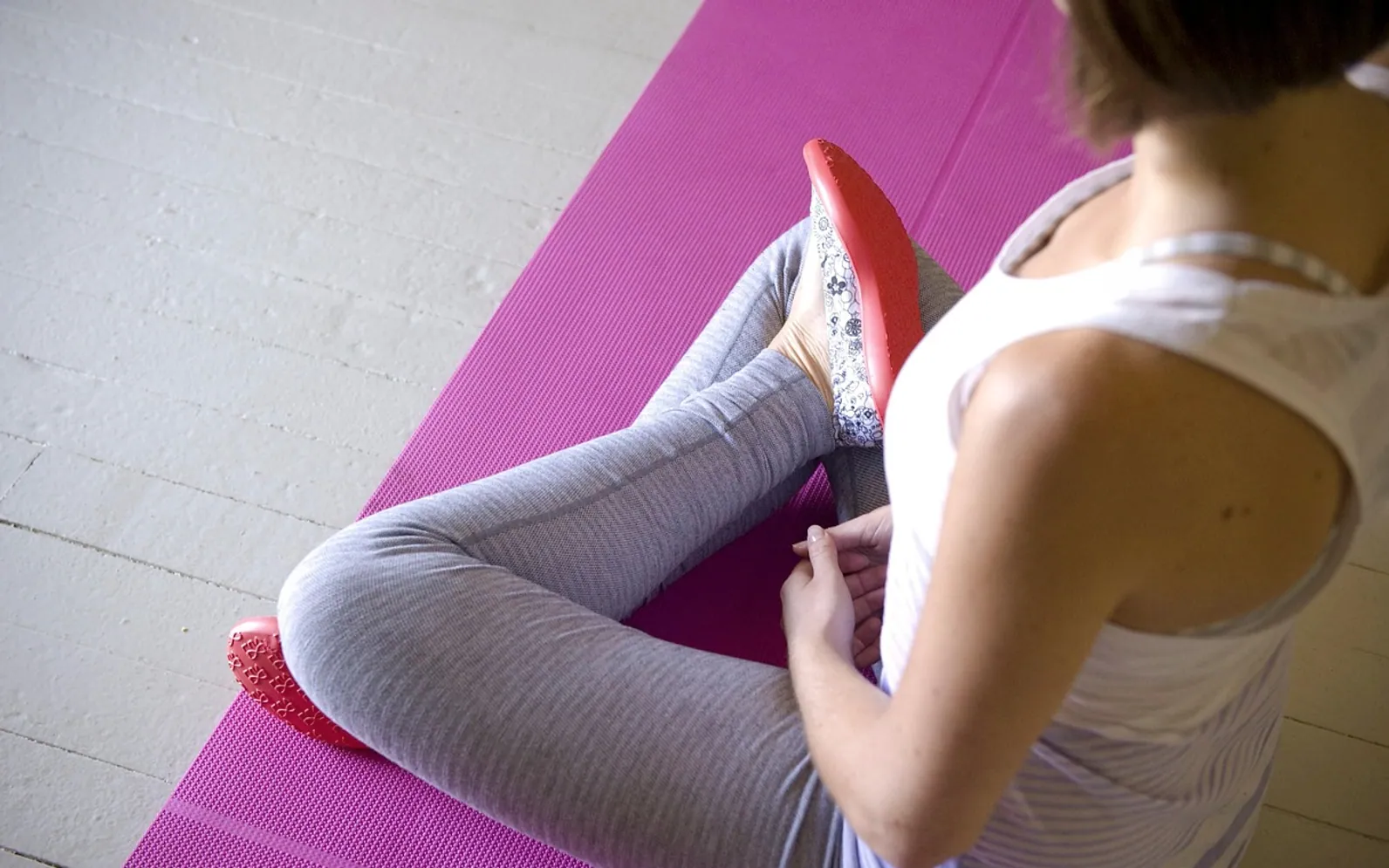
A body scan is a meditation in which attention travels slowly through the body, one region at a time, noticing whatever is there: warmth, pressure, tingling, tightness, or nothing in particular. You are not trying to relax each part, although relaxation often follows. You are simply checking in. The script below takes about five minutes and can be read aloud, recorded on your phone or memorised loosely.
Getting ready
Choose whether to lie down or sit. Lying on a bed, sofa or mat is comfortable and works well in the evening. Sitting upright in a chair keeps you more alert and suits the middle of the day. Either way:
- Loosen anything tight, such as a belt or a watch strap.
- Add a blanket. The body cools as it settles, and a chill is distracting.
- Let your arms rest by your sides or in your lap, palms in whatever position feels natural.
- Close your eyes, or keep them half open with a soft gaze if closing them feels uneasy.
The five-minute script
Read each section slowly, pausing for a few breaths between them. The timings are rough guides, not rules.
- Settling (about 30 seconds). "Notice the surface beneath you and let it take your weight. Take one breath that is a little fuller than usual, and let it go with a sigh. Then allow the breath to find its own pace."
- Feet and lower legs (about 45 seconds). "Bring attention to your feet. Toes, soles, heels. You might feel the touch of socks or air, warmth or coolness. Move up to the ankles and calves. If there is nothing to feel, notice that, too."
- Knees, thighs and hips (about 45 seconds). "Let attention rise through the knees and along the thighs. Notice the heaviness of the legs. Feel where the hips meet the seat or the floor."
- Belly, back and chest (about one minute). "Rest your attention on the belly as it rises and falls. Move around to the lower back, then the upper back and shoulder blades. Notice the chest, the gentle movement of each breath."
- Hands, arms and shoulders (about 45 seconds). "Notice the hands. Fingers, palms, the backs of the hands. Travel up the forearms, elbows and upper arms to the shoulders. If the shoulders are lifted, see whether they would like to drop a little."
- Neck, face and head (about 45 seconds). "Bring attention to the neck and throat. Then the jaw: is it clenched or loose? The cheeks, the eyes, the forehead. Finally, the top of the head."
- The whole body (about 30 seconds). "Now widen your attention to hold the body as a whole, breathing. Rest here for a few breaths. When you are ready, wiggle your fingers and toes and open your eyes."
Stretching it to ten minutes
A ten-minute body scan uses the same route at a slower pace. Instead of treating the legs as one block, visit each foot separately, then each lower leg, each knee and so on. Spend longer at the belly and chest, where breathing is easy to feel. In the face, pause separately at the jaw, the mouth, the nose, the eyes and the brow. Many longer recordings follow this kind of pattern; once you know the route, you can set your own pace with a simple timer.
What you might notice
| What comes up | What to do with it |
|---|---|
| No sensation at all in an area | Normal. Register the blankness and move on. |
| An itch or the urge to shift | Notice it for a breath or two; if it persists, move slowly and mindfully. |
| Tension in the jaw, shoulders or belly | Breathe towards it and see whether it softens on the out-breath. No forcing. |
| A wandering mind | Note where it went, then return to the last body part you remember. |
| Strong emotion | Open your eyes, feel your hands or feet, and shorten the practice if needed. |
Where it fits in the day
Many people like a body scan in bed, as the final step of a wind-down. Our piece on relaxing before bed includes a brief version within a fuller evening routine. Others use it at lunchtime, sitting up, as a reset after hours at a desk. If you are new to meditation in general, the beginner's guide explains the basic skill of noticing and returning that a scan relies on.
Questions that often come up
What if I fall asleep?
At night, that may be exactly what you want. During the day, try sitting up or keeping the eyes slightly open. Dozing off regularly in the afternoon can be a sign you need more rest at night; the article on how sleep unfolds through the night is a useful companion read.
Is a body scan the same as progressive muscle relaxation?
They are related but different. Progressive muscle relaxation asks you to tense each muscle group deliberately and then release it. A body scan only observes, without tensing anything. Some people enjoy combining the two, but they work in distinct ways.
What if I am in pain?
You do not have to dwell on painful areas. Pass through them lightly, or skip to a neutral spot such as the hands. If pain is persistent or unexplained, talk to a doctor or physiotherapist; the practice is a way of paying attention, not a treatment.
Are there times to adapt the practice?
Yes. Some people, particularly those who have experienced trauma, find close attention to the body unsettling. Keeping the eyes open, scanning only the hands and feet, or choosing a sound-based practice instead are all reasonable alternatives. A qualified therapist or experienced teacher can help tailor things if needed.