Types of Meditation, and How to Choose One
A plain guide to the main types of meditation, from breath focus and vipassana to Zen, metta, mantra, movement and sound, with tips on choosing one.
- Duration
- 4 min
- On the menu
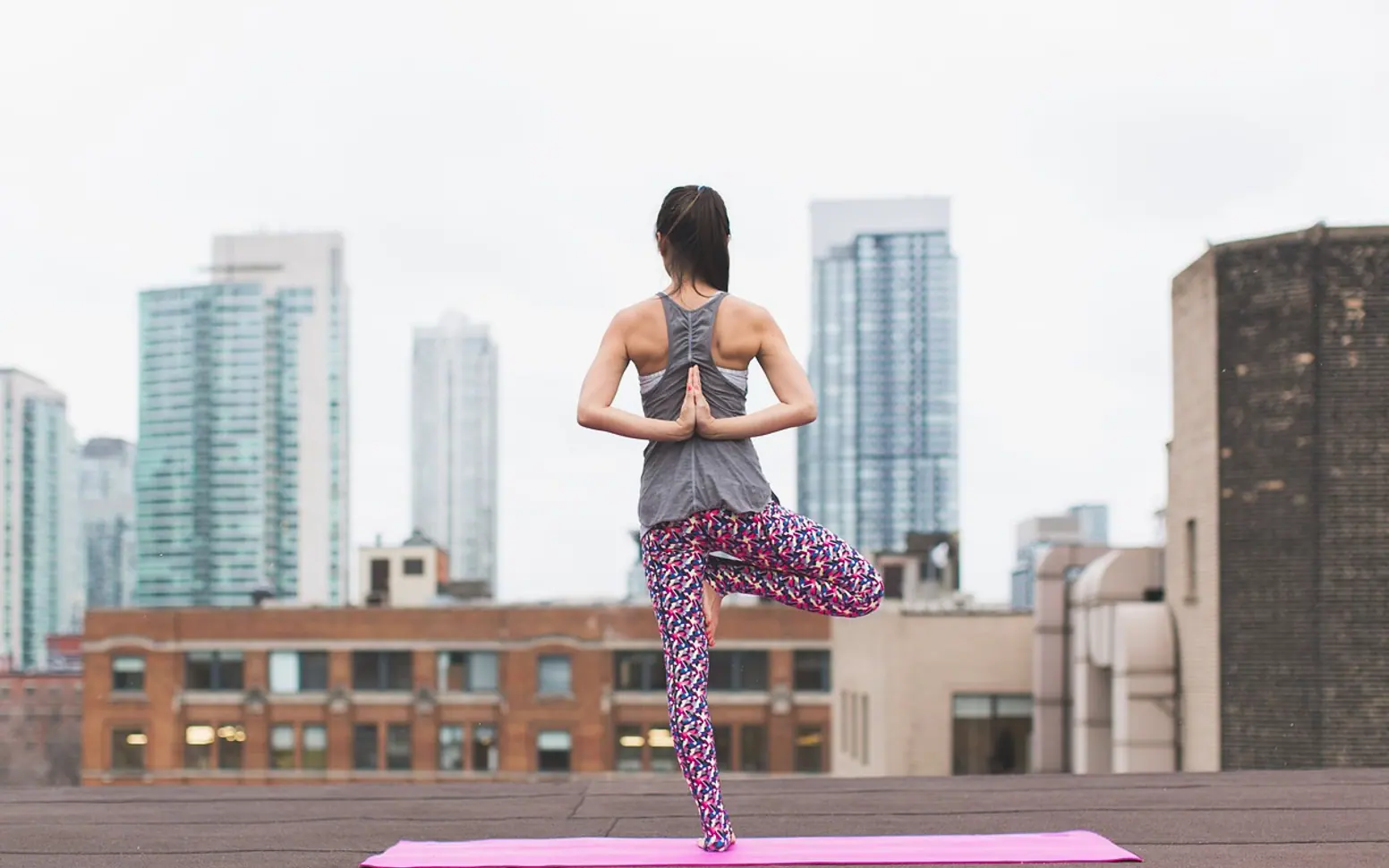
There are dozens of named styles, yet most types of meditation belong to a handful of families: practices that steady attention on one thing, practices that widen awareness to whatever turns up, practices that cultivate a feeling such as kindness, practices built around movement, and practices anchored in sound or a repeated word. None of them is the correct one. The best fit is simply the style you will come back to often enough for it to feel familiar.
The main families side by side
| Type | Where attention rests | Often appeals to people who |
|---|---|---|
| Focused attention | One anchor, usually the breath | Want an uncomplicated place to begin |
| Open awareness / insight | Whatever arises: sounds, sensations, thoughts | Already have a little steadiness |
| Body scan | Each region of the body in turn | Hold tension or find it hard to switch off at night |
| Loving-kindness (metta) | Warm wishes for oneself and others | Are quick to criticise themselves |
| Mantra | A repeated word or phrase | Find the breath too faint to follow |
| Movement | Steps, stretches or slow sequences | Feel fidgety when sitting still |
| Sound | Tones from bowls, gongs or the room itself | Prefer an anchor outside the body |
Focused attention
Most newcomers start here. You pick a single anchor, most often the feeling of breathing, and return to it every time the mind drifts. The returning is the actual workout: each time you notice you have wandered and come back, attention gets a small repetition. Our beginner's guide to meditation is built around this approach.
Many traditions contain a version of it. In Buddhist teaching it is often linked with samatha, a word usually rendered as calm or tranquillity, and it is frequently taught as groundwork for the insight practices described next.
Open awareness and insight
Rather than holding one object, open-awareness styles let attention settle on whatever is most vivid from moment to moment, without grasping at it or pushing it away. Secular mindfulness courses usually blend this wider attention with breath focus.
What is vipassana?
Vipassana, commonly translated as insight, is a Buddhist approach that watches sensations, thoughts and feelings closely to see how they appear, change and pass. It is often taught on silent residential retreats, though its core idea can be practised at home in short sittings.
What is Zen meditation?
Zen meditation, known as zazen, is the seated practice of the Zen schools. Instructions differ from one lineage to another: some emphasise counting or following breaths, others "just sitting" with no particular object at all. Posture receives careful attention, and the eyes usually stay half open with a lowered gaze.
Practices rooted in the body
A body scan guides attention slowly from the feet to the head, or the other way round, noticing sensations without trying to alter them. It is approachable, can be done lying down and is a favourite for the end of the day. Our five-minute body scan script gives a ready-made outline.
Movement meditations, such as mindful walking, slow yoga or tai chi, ask you to feel each step or stretch as it unfolds. They suit anyone who finds stillness agitating, and they carry the practice into ordinary life.
Heart-centred practices
Loving-kindness meditation, or metta, involves silently repeating kind phrases for yourself and then, step by step, for other people. Compassion and gratitude practices belong to the same family. They train the tone of your inner voice more than your concentration. The guide to metta meditation covers wording and a simple sequence.
Mantra and sound
Mantra meditation uses a word, phrase or syllable, repeated silently or aloud, as the anchor. Some organisations, Transcendental Meditation among them, teach a specific method and assign mantras through their own instructors. For informal practice at home, a plain word such as "here" or "soft" is perfectly adequate.
Sound meditation turns the anchor outward. In a sound bath, singing bowls, gongs or chimes are played while listeners lie still and let the tones fill their attention.
How to choose without overthinking it
- Begin with your reason. For calm and focus, start with the breath. If you are hard on yourself, add loving-kindness. If evenings are restless, try a body scan.
- Take your body into account. Pain or restlessness makes long sits tough; movement or lying-down practices may serve you better.
- Give one style two weeks. Switching daily makes it impossible to tell what is helping.
- Judge by how you feel later, not during. A session can feel scattered and still leave you steadier that afternoon.
- Mix once you know a few. Many people settle on a blend, such as several minutes of breath followed by a short kindness practice.
When meditation feels hard
For most people meditation is gentle, but sitting quietly with one's thoughts can stir up distress, particularly after trauma or during a spell of poor mental health. If that happens, try shorter sessions with open eyes, a movement-based style or guidance from an experienced teacher. Anyone already receiving care for a mental health condition may want to mention to their clinician that they are starting a practice.