Sauna and Cold Plunge: How to Try Hot and Cold Safely
How sauna and cold plunge rounds work, what people enjoy about them, gentler cooling options, a beginner routine and who should avoid cold water entirely.
- Duration
- 4 min
- On the menu
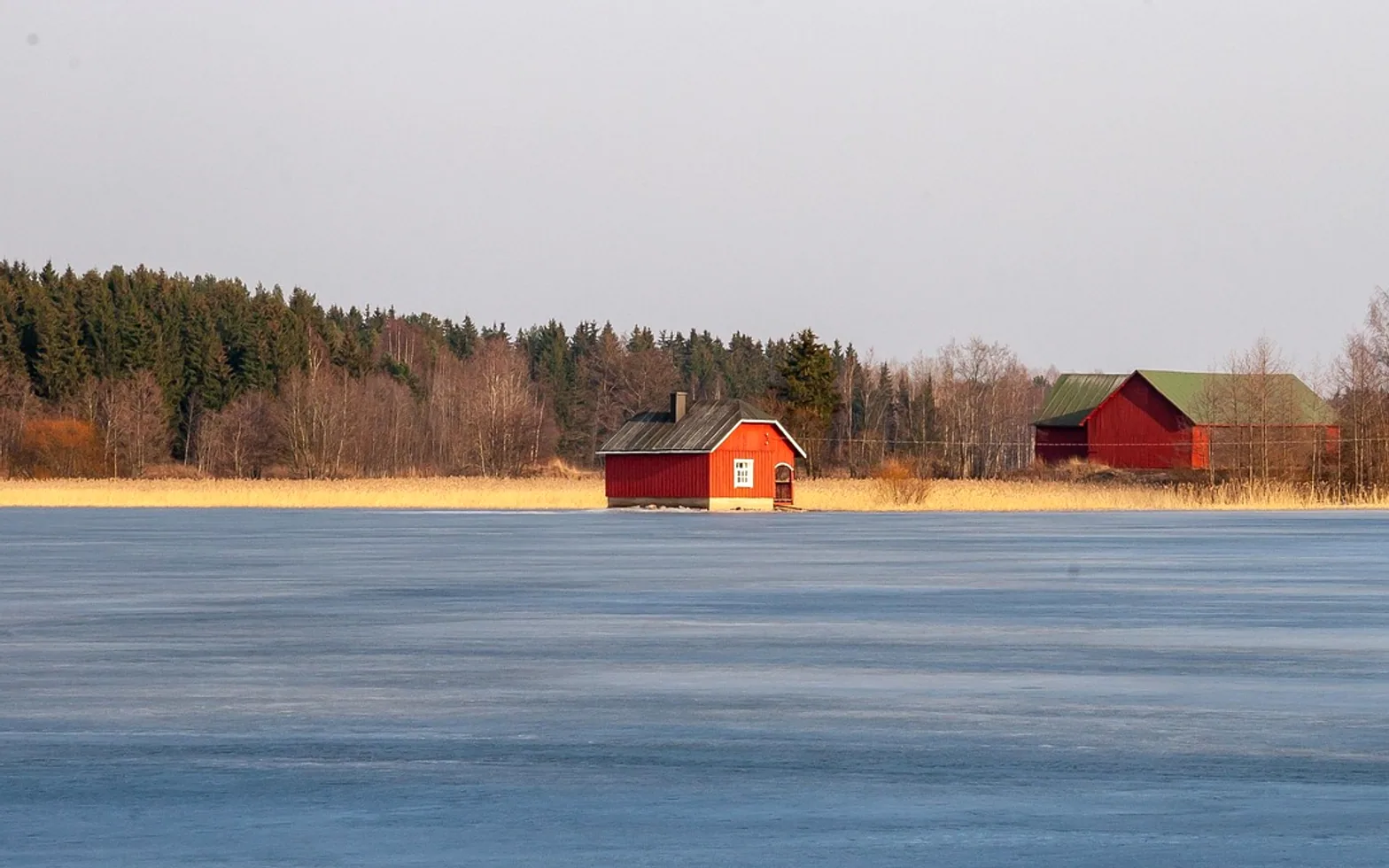
Pairing a sauna with a cold plunge means alternating spells of heat with a brief dip in cold water, followed by a rest. It is an old bathing custom, found in Finnish lakeside saunas and Russian banyas, and it has become popular again in city sauna clubs. Many people describe the switch as invigorating and the rest afterwards as unusually calming. Cold water is a strong stimulus, though: it triggers a gasp and a sharp rise in heart rate and breathing. Start mild, keep the cold brief, and skip it altogether if you have a heart or blood pressure condition unless your doctor has agreed.
How contrast bathing works
In the heat, blood vessels near the skin widen and you begin to sweat. When you step into cold water, those vessels narrow quickly and the body reacts with a surge of alertness. Then, as you rest, everything gradually settles. That rhythm of warming, shocking and settling is what regulars mean by a "round".
Researchers are studying both regular sauna use and cold-water immersion, and some early findings around mood and recovery are interesting. But bold promises you may see online, such as cold plunges melting fat or guaranteeing a stronger immune system, run well ahead of solid evidence. It is wiser to treat the ritual as something pleasant and refreshing, not as a cure.
What people tend to enjoy
- A clear-headed, wide-awake feeling after the cold.
- Deep, heavy relaxation during the rest that follows.
- The sense of having done something slightly brave, in a safe setting.
- A social ritual, since many sauna clubs are built around rounds with friends.
From gentle to intense: ways to cool off
| Option | Intensity | Notes |
|---|---|---|
| Rest in cool air | Very mild | A balcony, a cool room or an open door |
| Lukewarm shower | Mild | A good first step for anyone new |
| Cool shower | Moderate | Start at the feet and move upwards |
| Cold plunge pool | Strong | Keep the first dips very short |
| Ice bath or winter lake | Very strong | Only with experience, never alone |
Even a cool cloth on the face and neck counts as contrast. For a face-only version, our article on icing your face covers a much milder ritual.
A careful beginner's round
- Warm up in the heat. Follow the usual sauna basics: drink water beforehand, sit on a lower bench and stay only as long as feels comfortable, often five to ten minutes for a first round. Our guide to using a sauna safely walks through the essentials.
- Step out slowly. Stand up gradually; heat can make you light-headed.
- Cool down gently at first. On your first few visits, choose a cool shower rather than a plunge. Begin at the feet and move upwards, breathing out slowly.
- If you try the plunge, use the steps and lower yourself in feet first, never with a jump or a dive. Keep your head above water. Breathe out long and slow to steady the gasp. A few breaths is plenty at the start; get out sooner if it feels like too much.
- Rest. Wrap up in a towel or robe and sit or lie down for several minutes until your breathing and heart rate settle. This is the part many people grow to love.
- Repeat, if you like. Two or three rounds are common. One is perfectly fine.
Safety rules worth keeping
- Never use cold water alone, in open water or in an unsupervised plunge.
- No alcohol before or during. Heat and cold together with alcohol is a risky mix.
- Do not combine cold dips with breath-holding or forceful breathing exercises.
- Get out if you feel numb, start shivering hard, feel dizzy or notice chest discomfort.
- Warm up gradually afterwards with dry clothes and a warm drink, rather than jumping straight into a very hot shower.
Who should avoid the cold part
The gasp response and the sudden jump in heart rate and blood pressure make cold immersion unsuitable for some people. Speak to a doctor before trying it if you have heart disease, high blood pressure, an irregular heartbeat or a history of stroke; if you are pregnant; or if you have Raynaud's phenomenon, cold urticaria or another cold-triggered condition. The same caution applies to anyone with epilepsy or diabetes affecting sensation in the feet. A cool shower or simply resting in fresh air can still give you the rhythm of heat and rest without the shock.
Common questions
Should I finish with hot or cold?
Traditions vary. Many sauna regulars end on cold and then rest; others finish with a warm shower to feel cosy. If you tend to get chilled, end warm.
Is a cold shower after the sauna enough?
Yes. For most people a cool or cold shower gives a clear contrast, and it is easier to control than a plunge pool.
Steam room or sauna for contrast rounds?
Either can work. The two rooms feel quite different, though, and our comparison of steam room vs sauna can help you decide which heat you prefer before adding cold to the mix.