Steam Room vs Sauna: How the Two Heats Differ
Steam room vs sauna: temperature, humidity and feel compared, what a steam sauna is, which suits skin or a stuffy nose, plus etiquette and safety basics.
- Duration
- 4 min
- On the menu
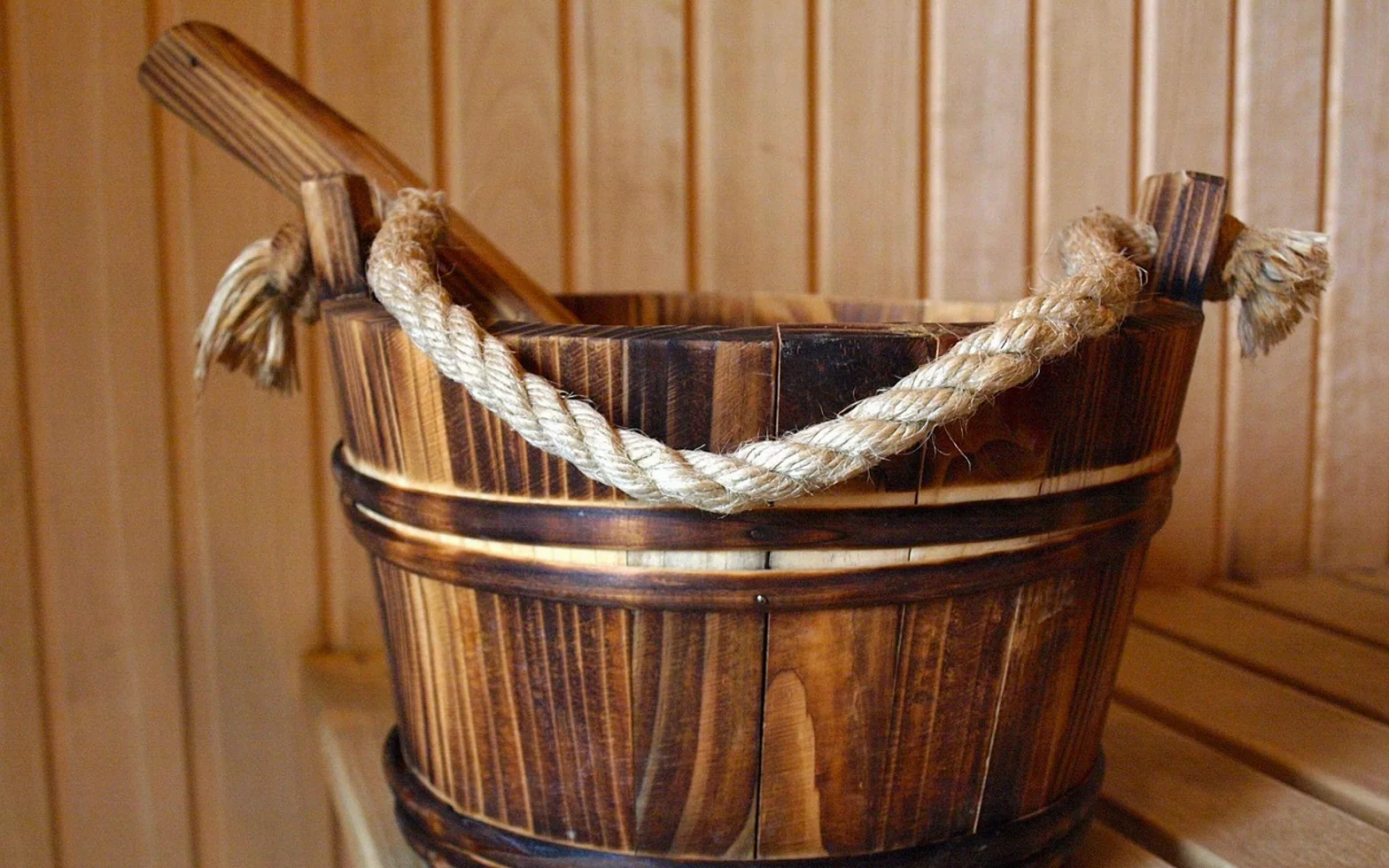
The short answer: a sauna is very hot with low humidity, while a steam room is much cooler on the thermometer but filled with near-saturated, misty air. In a traditional sauna the air is often somewhere between about 70°C and 100°C (roughly 160°F to 210°F) and feels dry and crisp. A steam room usually sits closer to 40°C to 50°C (roughly 105°F to 120°F), yet many people find it just as intense, because sweat cannot evaporate in such moist air. Both are warm, quiet places to rest; they simply feel very different on the skin and in the chest.
The two rooms side by side
| Sauna | Steam room | |
|---|---|---|
| Heat source | Wood-burning or electric stove, often with stones | Steam generator pumping vapour into the room |
| Typical air | Hot and dry, with brief humid bursts when water hits the stones | Warm and close to fully humid |
| Materials | Wooden walls and benches | Tile, glass or stone |
| How it feels | Crisp heat, sweat evaporates | Heavy and enveloping, skin stays wet |
| Breathing | Air can feel dry in the nose | Moist air some find soothing, others stuffy |
| Etiquette | Sit on a towel; ask before adding water to stones | Rinse first; sit on a towel or rinsed bench |
Why steam feels hotter than it is
Your body cools itself mainly through sweat evaporating from the skin. In a dry sauna, that evaporation works well, so very hot air is bearable for short periods. In a steam room, the air is already full of moisture, so sweat simply runs off rather than evaporating, and the droplets you see on your skin are partly condensed steam too. With less evaporative cooling, a modest temperature can feel surprisingly heavy. That is also why sessions in either room should be kept short and why leaving early is never a failure.
What is a "steam sauna"?
The phrase is used loosely. Sometimes it describes a traditional sauna in which you ladle water onto the hot stones, sending up a wave of humid heat; Finnish bathers call that rising steam löyly. Sometimes it is a marketing name for a steam room or a portable steam cabinet. Turkish hammams and Russian banyas are cousins again, with their own customs of washing, scrubbing and resting. If a spa menu says "steam sauna", it is worth asking which kind of room it means.
What people look for in each
Why some prefer steam
- The moist warmth feels gentle on the face, and many people like how soft the skin feels afterwards. It can be a pleasant step before a home routine like our facial at home.
- Those who find dry heat harsh on the throat or nose often feel more comfortable in humid air.
- The lower temperature can feel less daunting for a first visit.
Why some prefer the sauna
- The dry heat feels cleaner and lighter to many, with less of a "close" sensation.
- It fits into a long tradition of rounds, cooling off and resting, which many find deeply calming.
- Wooden rooms tend to be quieter and dimmer, which suits a meditative mood.
For a fuller look at the ritual itself, including how long to stay and how to cool down, see our guide to the benefits of a sauna and how to use one safely.
Sauna or steam room when you have a cold?
Neither treats a cold. Some people find that warm, moist air makes a blocked nose feel briefly more comfortable, which is why a steamy shower is a familiar home comfort. But if you have a fever, feel unwell or are coughing, heat can make you feel worse, and a shared hot room is an easy place to pass an illness on. Rest at home until you have recovered.
Hygiene and comfort
- Shower before going in, and again afterwards.
- Always sit or lie on a towel, especially on tiled benches.
- Wear flip-flops in shared wet areas.
- Remove jewellery, which can heat up, and contact lenses if your eyes feel dry.
- Drink water before and after.
Who should ask a doctor first
Both rooms place similar demands on the body. Check with a doctor before using either if you are pregnant, have heart disease, high or low blood pressure, a history of fainting, or take medicines that affect sweating, blood pressure or alertness. Skip both after drinking alcohol. And whichever you choose, leave straight away if you feel dizzy, nauseous or unwell.
Which to try first
If you dislike the feeling of dry air, start with steam. If close, humid rooms make you feel short of breath, start with a sauna on a lower bench. Many spas have both, and plenty of regulars alternate, sometimes finishing with a cool rinse or, for the more adventurous, the contrast routine described in our piece on sauna and cold plunge.